
A Four-Armed Robot for Zero-Gravity Work Could Save $140,000 an Hour – Bitcoin News


Key Takeaways
- Orbit Robotics unveiled Helios on May 20, 2026, a 4-armed robot built for station maintenance.
- Helios targets tasks costing about $140,000/hour, potentially lowering space operations costs.
- Orbit Robotics plans Helios for commercial stations as post-ISS infrastructure expands.
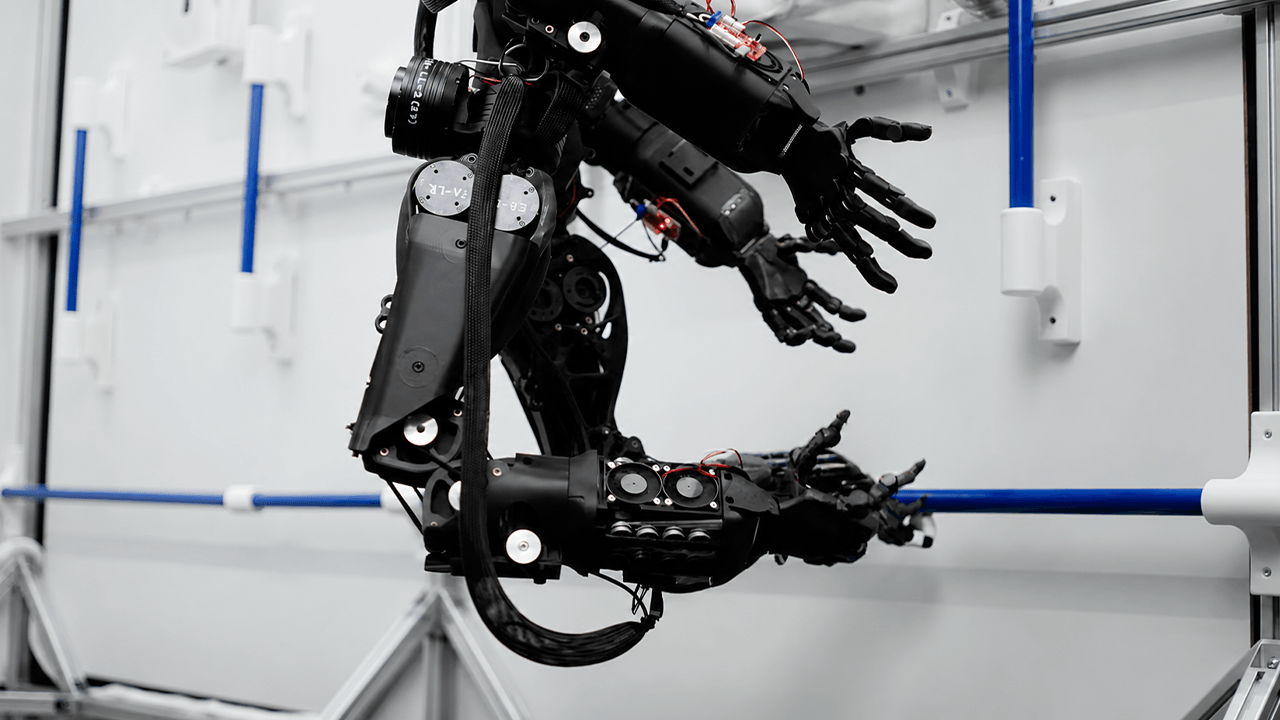
Meet Helios, a four-armed humanoid from Swiss startup Orbit Robotics built for the hand-over-hand realities of microgravity. With no legs and 28 degrees of freedom, it clings, steadies, and still keeps spare limbs for wrench work and cargo unloading on space stations. The goal is pragmatic: handle maintenance and transport tasks autonomously or by remote control, so astronauts can focus on science. If it delivers, every hour it works could offset the roughly $140,000 price tag of astronaut labor.
A robot built for space-first functionality
Every so often, a design choice feels obvious once you see it. Orbit Robotics, a Swiss startup, has introduced Helios, a humanoid robot tailored for microgravity. No legs, four arms, station-ready. It is built for life inside orbital habitats, the kind NASA and its partners keep supplied and running. Think maintenance checklists, cargo transfers, and the routine work that keeps science humming.
Helios stands apart by treating zero gravity as the default, not an afterthought. In place of walking, it moves hand over hand, anchoring to rails and bulkheads while freeing two arms for the task at hand. The company positions it as an assistant for repetitive jobs that consume astronauts’ hours yet rarely require a human’s judgment.
How Helios was brought to life
Founded in late 2025 out of a Swiss research ecosystem, Orbit Robotics spent its first months building for one environment: space stations. The team publicly introduced Helios in a video released on May 20, 2026, spotlighting a machine that trades terrestrial symmetry for orbital pragmatism. The message was clear: optimize for the station, not for sidewalks.
The startup says it is prioritizing tasks space crews actually face, from routine inspections to cargo stowage. That focus aligns with a broader industry shift as commercial stations and servicing missions move from concept to schedules, including efforts tied to post-ISS planning in the US.
Design tailored to zero-gravity operations
Legs are inefficient in microgravity. Helios uses four coordinated arms to move, stabilize, and work. Two arms can clamp to structure, two can manipulate tools or payloads. The robot can operate autonomously for set routines or accept remote control for complex procedures (teleoperation latency is manageable in low Earth orbit).
This approach reduces the jostling that can complicate fine tasks in a cramped module. It also mirrors how astronauts already move inside the International Space Station, only with a machine that does not tire during long, repetitive shifts.
Inside the specs: what makes Helios work
Helios is compact at 5.2 feet tall (160 cm) and 70 pounds (32 kg), using aluminum alloy and carbon fiber. It offers 28 degrees of freedom, including 14 in dexterous hands, for precise handling. Power comes from electric actuators with tendon-based transmissions, concentrating motors near the shoulders to keep moving limbs light.
Runtime is 3 hours per charge. Transit speed tops 1.2 miles per hour (2 km/h), plenty for station interiors. The package targets the balance between endurance, agility, and safe interaction with delicate hardware.
The economic case for space robotics
Astronaut time is scarce and expensive. By some estimates, it runs about $140,000 per hour, a figure that balloons when hours stretch into cargo unloading or filter swaps. Helios is built to shoulder those chores so crews can focus on research and mission-critical work.
As commercial stations and lunar infrastructure plans advance, tools that turn checklists into background tasks could shape costs and schedules. This is the case for Helios: not a sci-fi helper, but a practical co-worker tuned for orbit’s everyday jobs.



