
European Central Bank may raise rates in June, says Patsalides
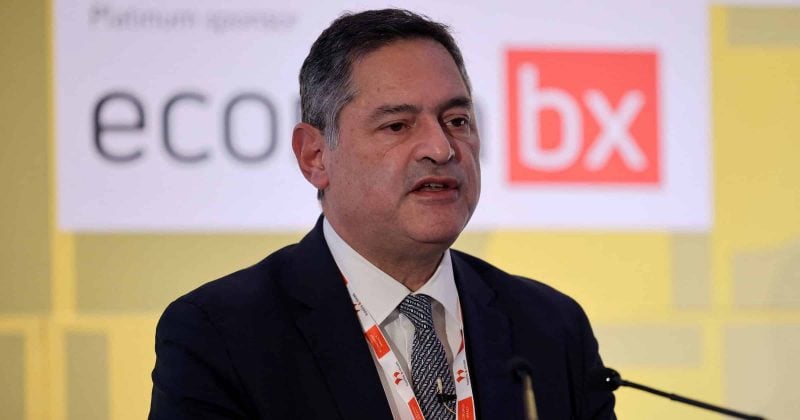


The European Central Bank might be done sitting on its hands. Christodoulos Patsalides, Governor of the Central Bank of Cyprus and a member of the ECB Governing Council, has signaled that a rate hike at the June 2026 meeting is looking increasingly likely.
The ECB’s deposit rate currently sits at 2%, where it’s been parked since April 2026 as policymakers waited for fresh economic projections. Patsalides is now suggesting that wait may be coming to an end, driven by a familiar cocktail of rising oil prices and escalating geopolitical uncertainty that threatens to push euro-area inflation higher.
Rising oil prices are at the center of his concern. Energy costs remain one of the most direct transmission mechanisms for inflation, filtering through to everything from transportation to manufacturing to the price of your morning espresso. When oil moves up, consumer prices tend to follow, and central bankers tend to get nervous.
Geopolitical uncertainty adds another layer. Patsalides pointed to the broader instability landscape as presenting upside risks to inflation.
Not a new tightening cycle
Patsalides was careful to frame a potential June hike as a one-off adjustment rather than the opening salvo of a broader tightening campaign. A single rate increase, moving the deposit rate from 2% to some modestly higher level, would be the ECB’s way of saying: we see specific, identifiable risks that need addressing, but the fundamental economic picture doesn’t warrant a sustained march upward.
Patsalides repeatedly emphasized that the final decision remains data-dependent. The ECB will have updated economic projections in hand by the June meeting, and those numbers will ultimately determine whether the Governing Council pulls the trigger.
He also outlined specific scenarios where a hike might not happen at all. If geopolitical tensions cool down quickly, the inflationary pressure from that source could dissipate. Similarly, if inflation expectations among consumers and businesses remain well-anchored, the case for raising rates weakens considerably.
What this means for investors and markets
For euro-area bond markets, even the possibility of a rate hike shifts the calculus for fixed-income investors. Bond prices move inversely to interest rate expectations, so any increase in the probability of a June hike puts downward pressure on European government bond prices, particularly at the shorter end of the yield curve.
For the crypto market, the connection is more indirect but still relevant. Higher interest rates in the euro area make traditional yield-bearing assets more attractive relative to non-yielding assets like Bitcoin and other digital currencies. When savings accounts and government bonds start paying more, the opportunity cost of holding crypto goes up.



